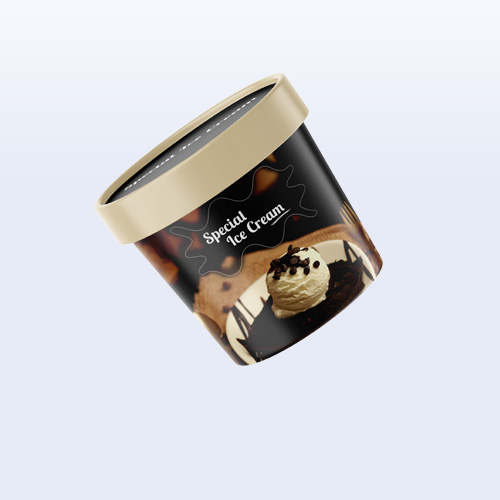
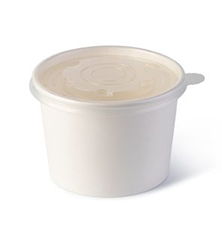
Bucket Filling Capping Machine
Buckets are generally used for food products in liquid or powdered form, offering practical bulk packaging for items such as sauces, dairy concentrates, honey, tahini, and various powdered ingredients.
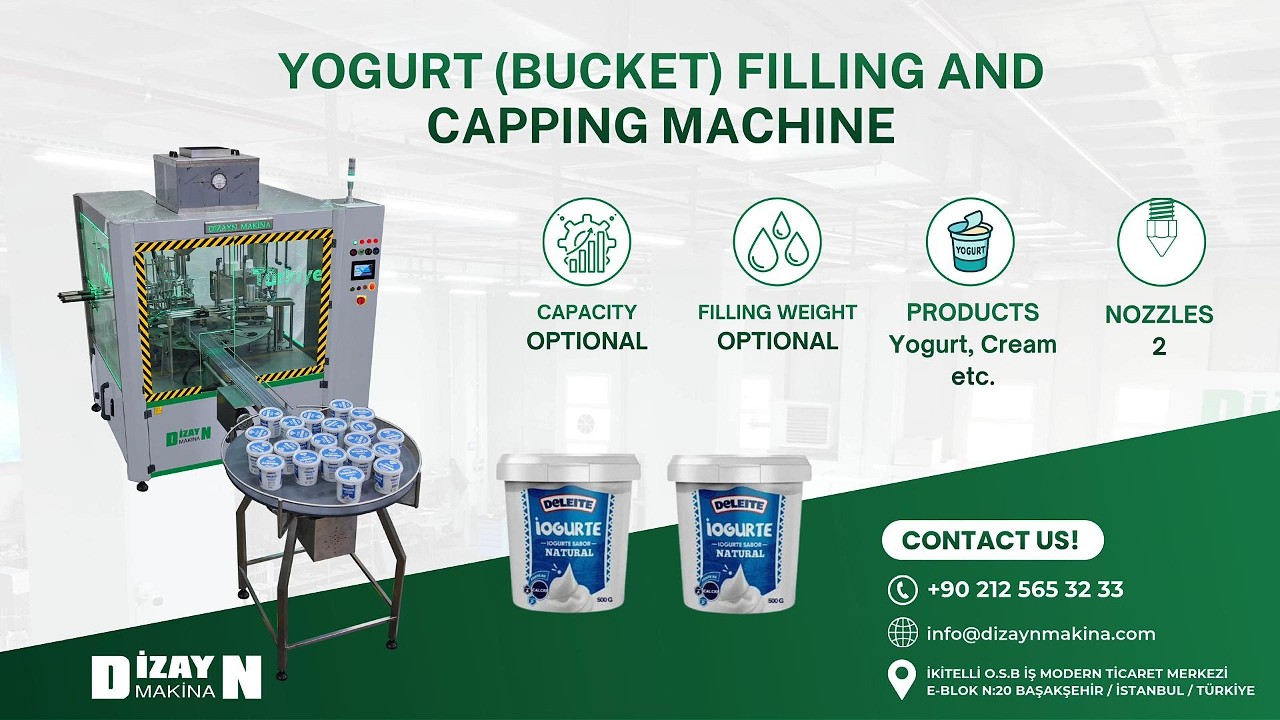
- Products That Can Be Filled: Dairy products, sauces, flour, sugar, fertilizers, powdered products.
- Filling weight: Adjustable according to the desired filling weight
- Number of Nozzles: Determined according to capacity
- Pneumatic Pressure Requiremen: 6 - 8 Bar
- Material Used: Food-grade stainless steel (304 – 316 quality)
UV lamp, HEPA filter, plastic lid sealing, filling in different bowl shapes, filling tools for different sizes on a single machine, second filling station, roll cutting and sealing, sealing with pre-cut foil, solid or liquid nozzle options, heater and mixer in the hopper, collection table on the exit conveyor, transfer pump to the filling unit, nitrogen gas.
Bucket Filling Capping Machine
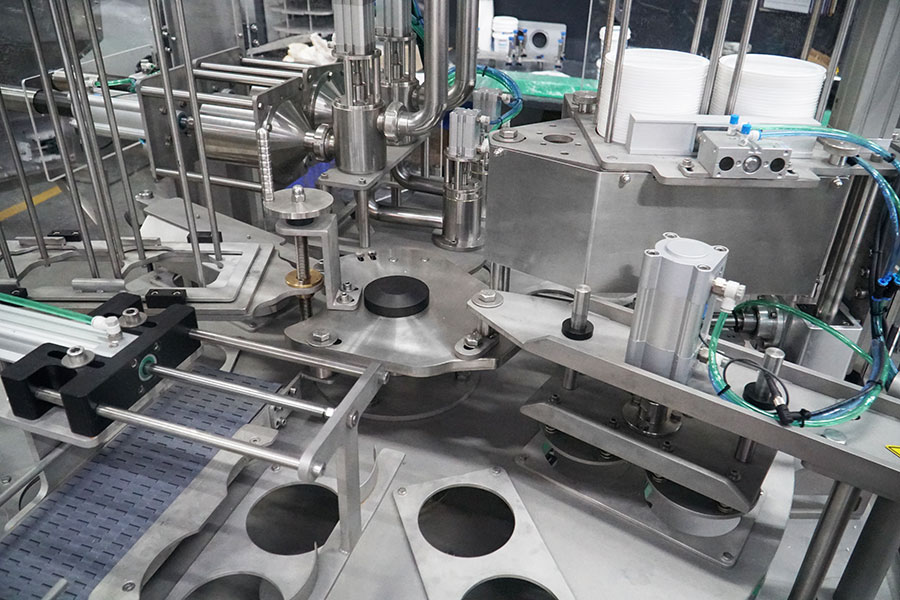
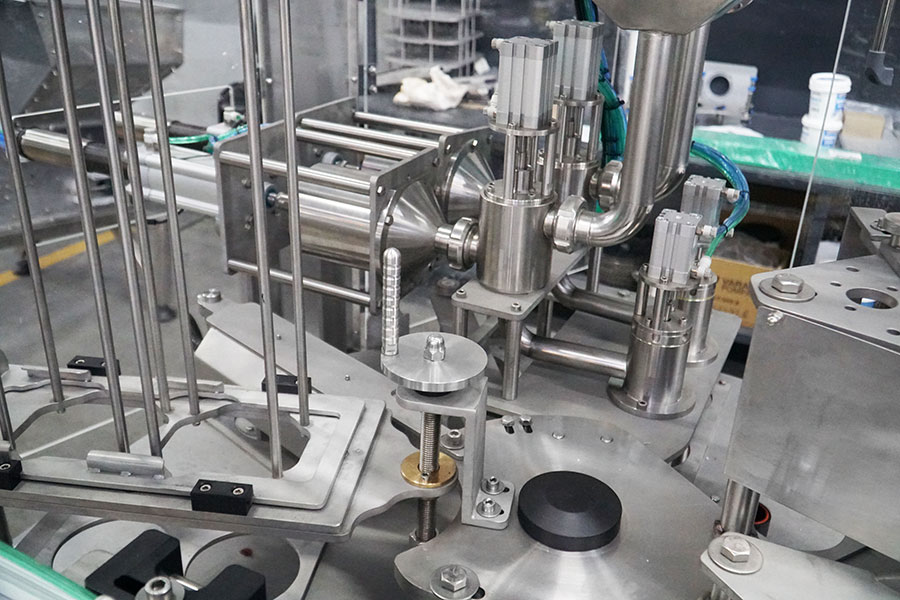
A typical filling and capping machine consists of a filling section, conveying systems, and a control panel. The machine’s operation steps includes the following steps:
- Product Feeding System:
Before the filling stages begins, the machine is equipped with a feeding system to draw the product from the storage tank. This system transports liquid or granular products from the storage to the filling section. - Filling Section:
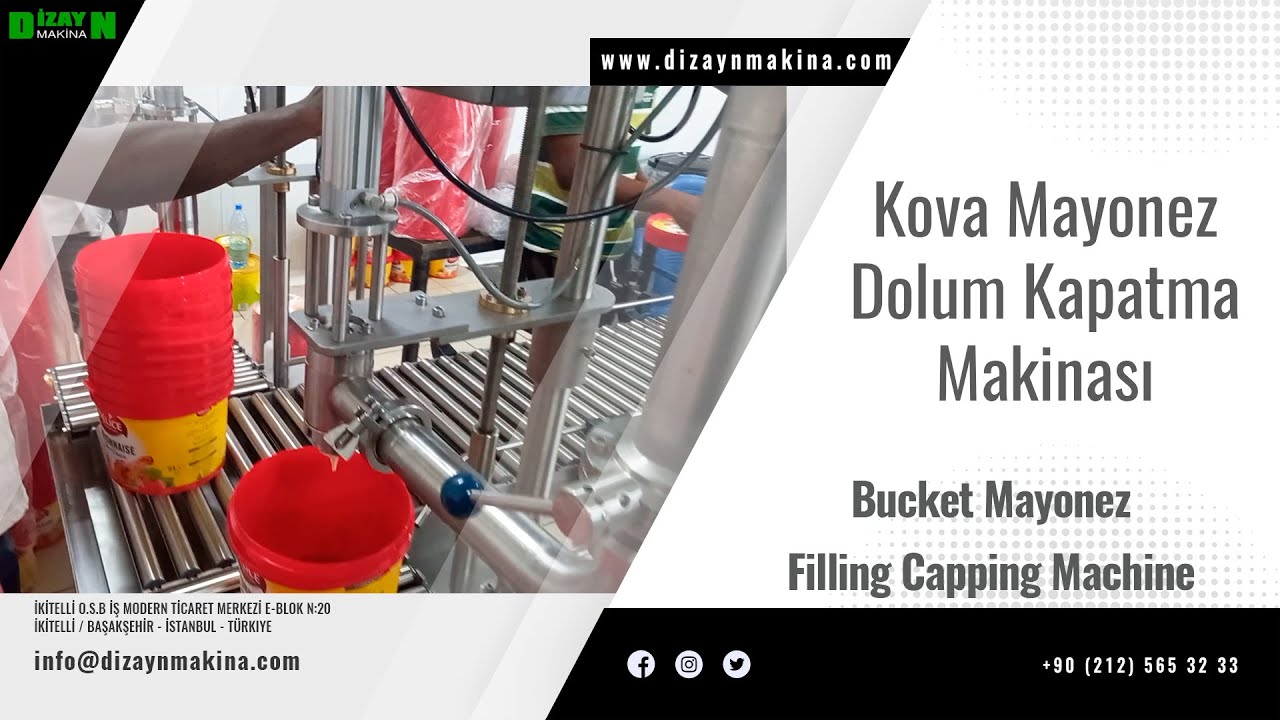
Once the product reaches the filling section, buckets that need to be filled with pre-defined quantities are positioned by the machine. The filling heads are precisely aligned above the buckets. - Dosage Control:
The filling heads are designed to dispense the product in specific quantities. This step ensures accurate and consistent filling of the buckets. The dosage amount can be adjusted according to standards defined by the manufacturer. - Conveying Systems:
After the filling stages is completed, the filled buckets are transferred to packaging or the next stage of production via a conveyor belt or a similar transportation system. - Lid Capping (Optional):
Some bucket filling machines include an automatic lid capping function after the filling steps. This reduces the risk of spillage during further handling or transportation. - Control Panel:
A control panel coordinates all operations of the bucket filling machine. The operator can manage machine settings, dosage amounts, and other parameters through this panel. It also allows for monitoring overall machine performance and intervening when necessary.
In this way, the machine is used in industrial production stages to increase efficiency, reduce human error, and ensure product quality.
Bucket Filling Capping Machine Overview:
The Bucket Filling Capping Machine is designed to automate the process of filling and sealing large buckets with liquids, viscous products, or solids. It ensures precise filling, secure capping, and high-speed production, making it ideal for industries like food, chemicals, and pharmaceuticals. With advanced sensors and control systems, the machine guarantees accurate fill volumes, reducing product waste. Its versatile design accommodates various bucket sizes and materials, offering flexibility for different market needs.
Equipped with an efficient capping system, the Bucket Filling Capping Machine securely seals each bucket, preventing leaks or contamination. Built with food-grade stainless steel and hygienic materials, it maintains high standards of cleanliness, making it suitable for food and pharmaceutical packaging. The machine’s user-friendly interface allows easy operation, while customizable features enable businesses to adapt it to specific production needs. With its high-speed performance, the machine boosts efficiency, reduces labor costs, and ensures consistent product quality.
Feel free to take a look at our videos about the bucket filling and sealing machine.
What Products Are Filled into Buckets?
Various products can be filled into buckets across different industrial sectors. This varies depending on the purpose of use, the industry, and the characteristics of the product. For example:
- Food Industry:
Buckets are commonly used for food products in liquid or powdered form. Examples include liquid oils, sauces, flour, and sugar. - Chemical Industry:
Industrial chemicals such as solvents, paints, and other chemical substances can be transported using buckets. - Construction Industry:
Materials like cement, sand, and gravel can be handled with buckets. - Agricultural Sector:
Seeds, fertilizers, and water are among the agricultural products that can be stored or transported in buckets. - Cleaning Industry:
Cleaning agents and detergents are often packaged or used in buckets.
Bucket Filling Capping Machine
The contents of a bucket are specific to its use case and the industry it serves. As a result, buckets can be filled with a wide variety of materials depending on their intended application.
1-What is a bucket filling machine used for?
A bucket filling machine is equipment used in industrial production lines, designed to automatically fill buckets with predetermined amounts of liquid or granular products.
2-What are the advantages of a bucket filling machine?
Advantages include fast filling, high dosing accuracy, reduced labor costs, low error rates, and consistency in automated stages.
3-In which industries are bucket filling machines commonly used?
Bucket filling machines are widely used in industries such as food and beverage, chemicals, agriculture, and construction materials manufacturing.
4-How are bucket filling machines calibrated?
They are typically calibrated according to standards defined by the manufacturer. Dosage amounts can be adjusted and tested via the control panel.
5-What safety measures are included in bucket filling machines?
They are equipped with safety features such as emergency stop systems, safety switches, and lockout mechanisms designed for operator protection.
Which Products Can Be Filled?
Built on Integrity and Quality
Contact
Customer Focus
Spirit of Teamwork
Continuous Progress
We Provide A High Standard Of Service
Frequently Asked Questions
Yes, with the correct equipment and adjustments, both 1 kilogram and 5 kilogram fillings can be done with the same machine.
Yes, cups filling machines have the option to change molds according to different production needs.
No, the number of nozzles cannot be increased on a 2-nozzle machine. However, during the design phase, the number of nozzles can be increased if the customer requests.
Türkçe